Saturday, September 27, 2025
Calling Instinct
Bonding with the Power of Your Voice
Every mother knows the incident where you're standing in the shower and you suddenly hear your baby cry. You slightly panic inside thinking, "Oh God, I need to get out now."
Only to listen a little harder and realize there is actually nothing crying and you imagined the entire thing.
These are known as "phantom cries."
They are super annoying, yet it does seem like you now have a six sense when it comes to hearing things around your house. Especially when your baby is involved.
This is no coincidence.
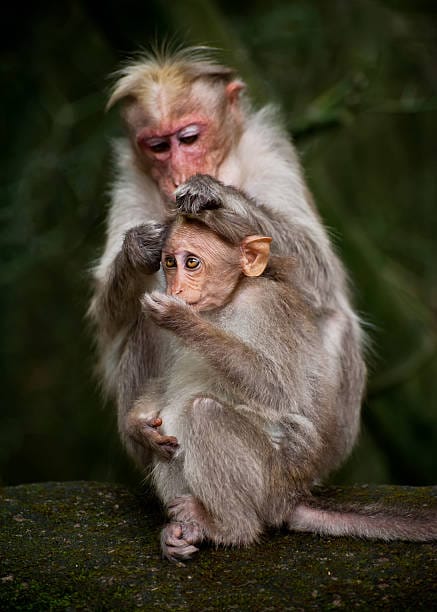
Vocalizations are among the earliest ways mammal mothers connect with their babies.
Harbor seals use unique vocalizations to locate their pups within their crowded beaches.
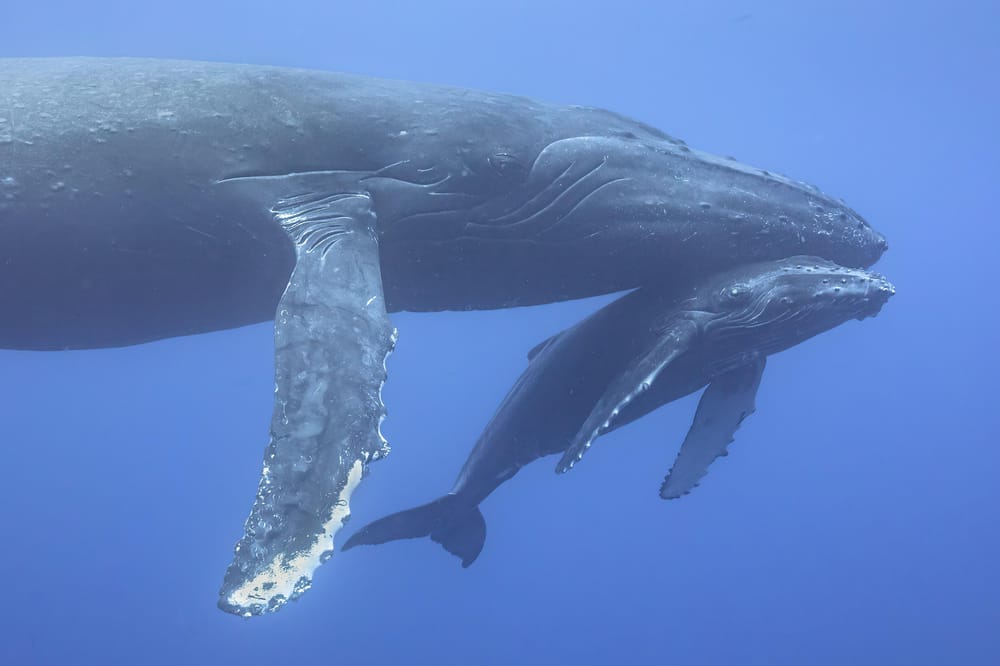
Whale mothers can create complex vocalizations with their pups to ensure contact between long distances.
Other mammals like canines and primates, use and array of soothing and scolding sounds to communicate with their young in pack and social settings.
Most newborn mammals emit distress calls when they are separated from their mother. This alerts her to search and retrieve them, a pretty effective tactic I'll say.
For us humans, we use this instinct every time we talk, sing, and coo to our babies.
We also use "baby talk," or whats formally known as Infant Directed Speech (IDS).
This is higher pitched, slower paced, and exaggerated speech. This is not only soothing, but helps lay a foundation for language development.
Feeling unsettled and stressed when your baby cries has a purpose.
Your nervous system is directly related to theirs. Responding to their distress regulates both you and your baby and is crucial to their survival.
Working in love,
Work Well Mama
Kayla Freeman
See other posts like this one: