Sunday, August 24, 2025
What Mammal Mothers Teach Us About Feeding With Intention

As moms, we tend to obsess over our babies’ nutrition.
- Is it enough?
- Is it too little?
- What should I be doing differently or better?
For me, these ruminating thoughts started the moment I had a positive pregnancy test.
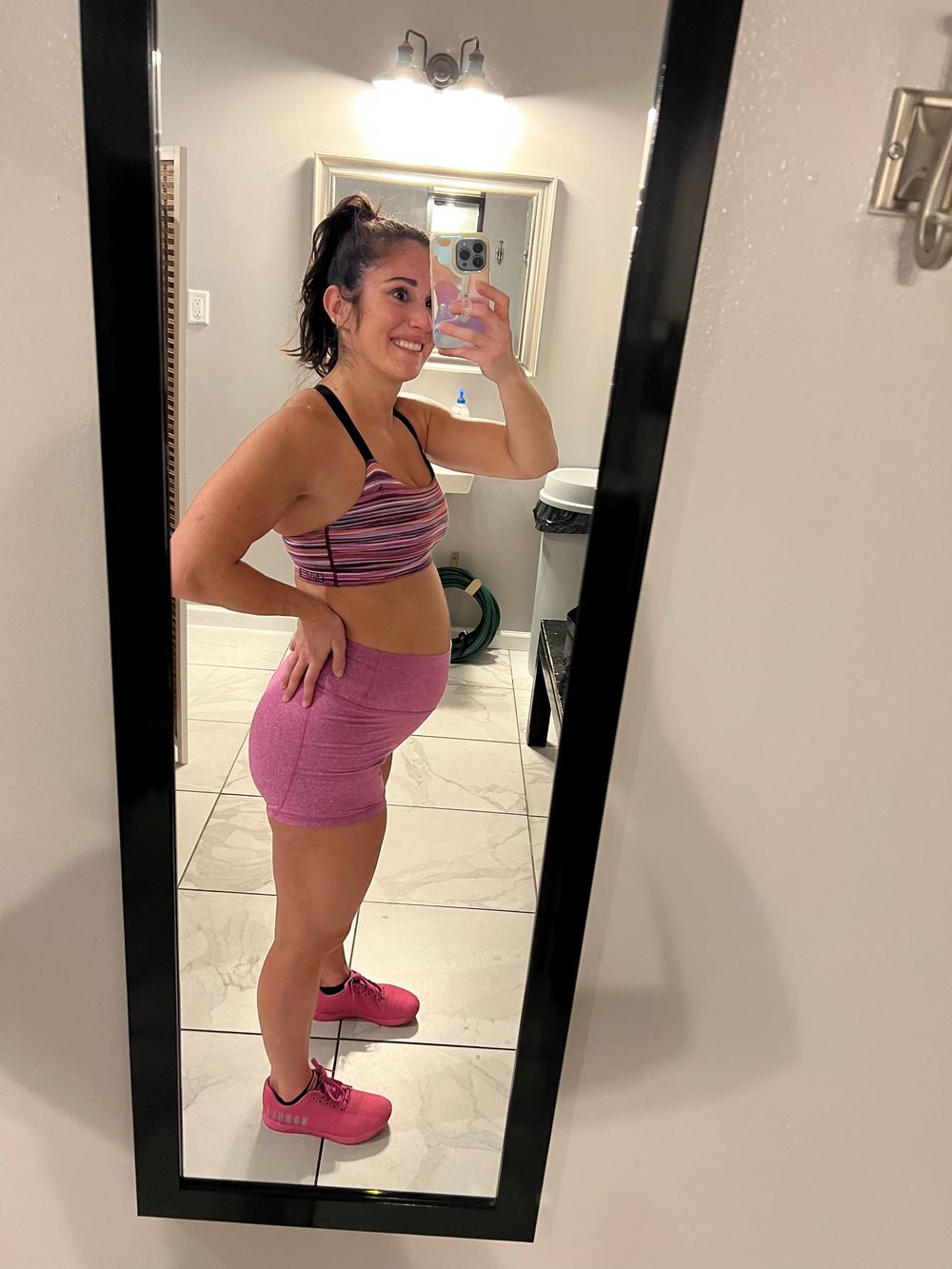
I wanted to make sure I was eating in the best way for my baby’s development.
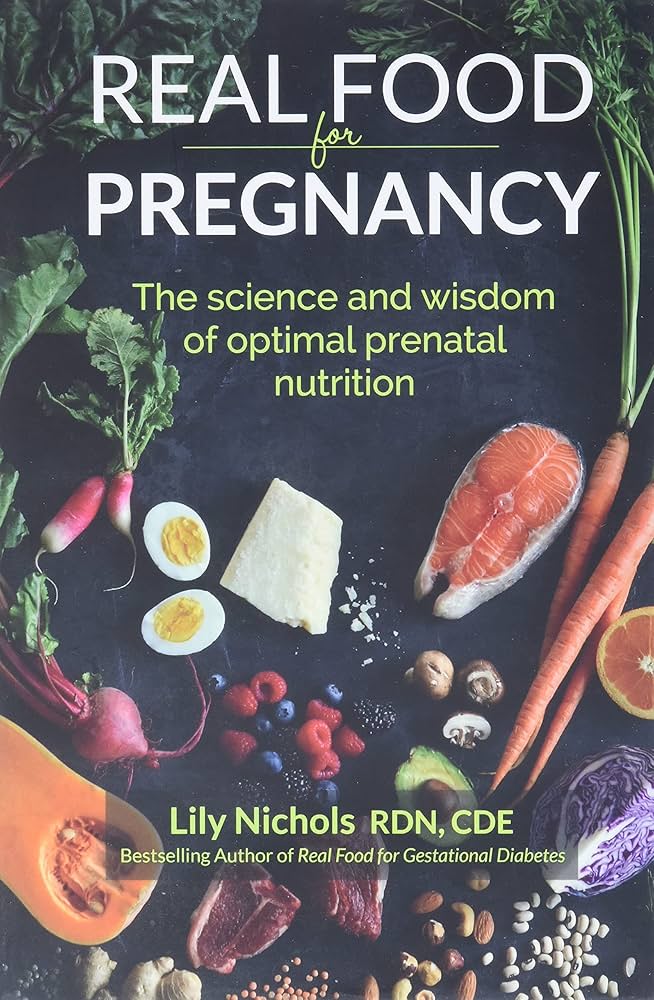
A friend of mine, a registered dietitian, had lent me a pregnancy nutrition book that I read cover to cover.
It was overwhelming to question almost everything I ingested. And for some reason, I thought once he was born, I would be relieved of this ‘thing’ I felt so responsible for.
Little did I know, it would be even more demanding.
My son was born on the small side, 5lb 8oz. His size, plus being a tad jaundiced, gave me so much anxiety around making sure I was breastfeeding enough.
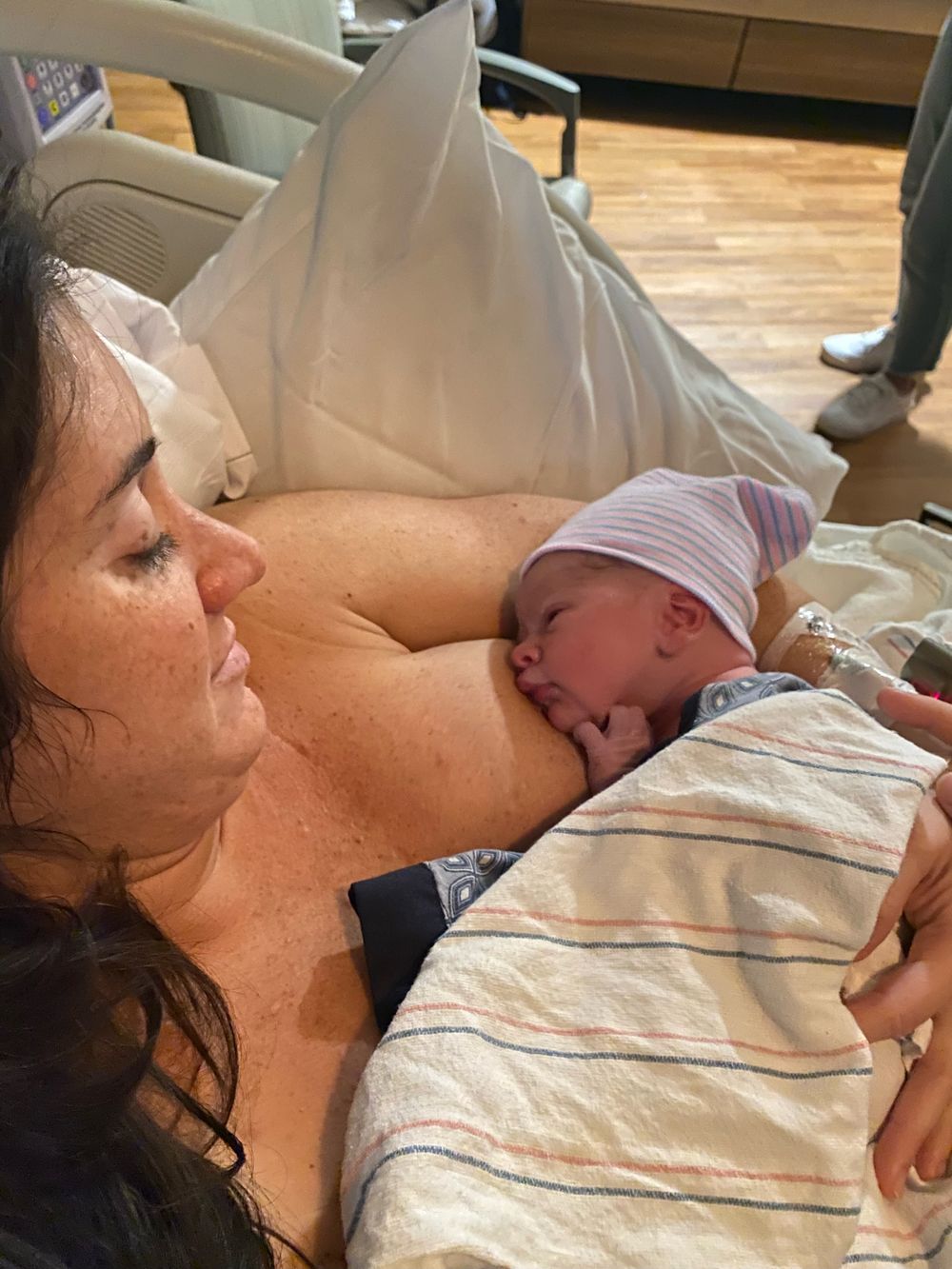
So much so that I completely broke down emotionally while breastfeeding him in the middle of the night.
My husband was there to comfort me, reassuring me that I was doing amazingly well.
I had been “belligerently breastfeeding” my son (as he described—in a good way lol) to the point where he didn’t even lose 5% of his birth weight in that first week, which is pretty remarkable.
I was instinctively making sure my baby survived.
As a mother, one of our most important roles after birth is to ensure our baby is well-nourished.
Otherwise, in medical practice, when the newborn is not gaining weight properly, it’s called ‘failure to thrive.’ And a long time ago, this would have meant the baby had little chance of survival.
So the obsessiveness, worrying, and feeling as if it consumes all of your thoughts and energy is valid.
In the wild, elephants nurse their young for up to 4-6 years, giraffes can be pregnant while nursing the previous offspring, and orangutans continue nursing sometimes up to 8 years!

But feeding your baby isn’t solely about nutrition. Additionally, it’s about creating a bond between mother and baby.
Oxytocin, also known as the love hormone, is released by both mom and baby in breastfeeding, and similarly, when bottle-feeding is coupled with skin-to-skin.
Overall, the feeding experience creates feelings of calm, security, and an emotionally secure attachment.
Our modern world doesn’t exactly make it easy on us either.
I don’t know about you, but when I went back to work at 12 weeks postpartum, one of the most stressful aspects was the pumping.
It’s painful. Physically and emotionally.
It felt like a full-time job on top of my already full-time job.
I was constantly worried about not producing enough, so I even started a supplement to help my milk supply.
My son never had a drop of formula in his entire life, and I still to this day cannot believe that.
It was one of the hardest things I’ve ever done. I can’t tell you how many times I wanted to quit, but I’m pretty stubborn and hold extremely high (sometimes unrealistic) standards for myself.
Whether it’s breast or formula, feeding your baby is undoubtedly one of the most important jobs you’ll ever have. Which means there can be a lot of pressure, guilt, and stress associated with that.
Remembering this instinct is one of the strongest after having a baby, can help us have the confidence to combat whatever expectations society throws at us.
Working in love,
Work Well Mama
Kayla Freeman
See other posts like this one: